Work From Home Is Over… The Brutal Reality Homeowners Are Facing Right Now
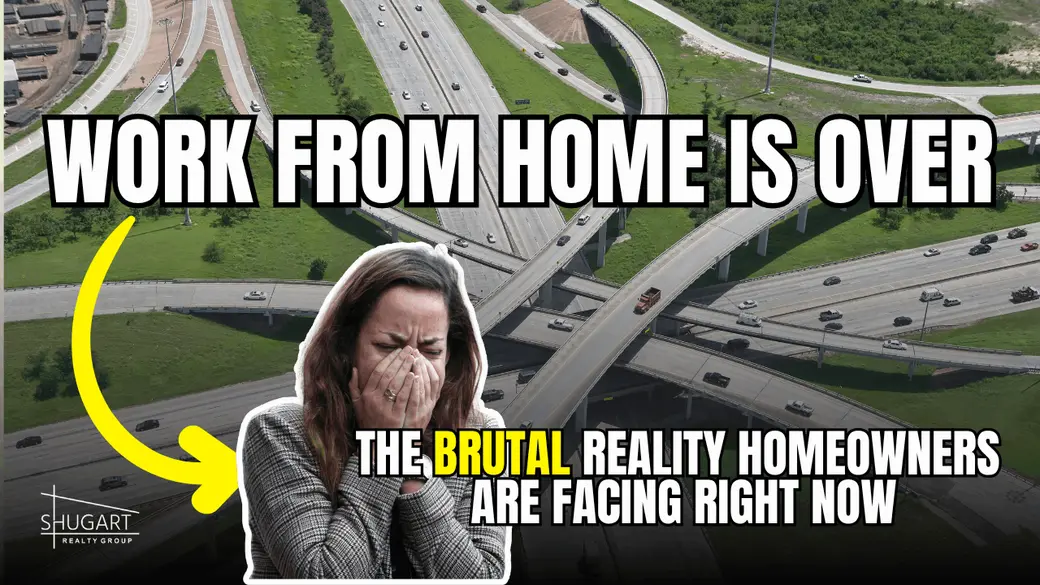
For the last few years, buying a home came with an unspoken assumption: you could work from anywhere. That idea changed everything.
People stretched budgets for bigger homes, moved farther from cities, and built entire lifestyles around remote work. The “dream house” wasn’t just about square footage anymore…it was about space, peace, and freedom from the office grind.
But now, that version of reality is starting to crack.
With return-to-office mandates quietly (and sometimes aggressively) making a comeback, homeowners who once thought they were settled are now facing a very different question:
Do you stay in the home you built your life around… or sell and start over closer to work?
During the pandemic era, remote work didn’t just shift schedules…it reshaped the entire housing map. People left expensive metros, upgraded into larger homes, and moved into suburbs, small towns, and even out-of-state communities they never would’ve considered before.
For many, it felt permanent.
But according to recent market trends, that permanence is being tested. Major employers are pulling workers back into offices, and suddenly, the distance between “home” and “work” matters again.
And for homeowners who relocated, that distance can now feel like a dealbreaker.
Today’s homeowners are stuck in a decision triangle that didn’t exist a few years ago: * Stay in your home and absorb a long commute (and rising daily costs) * Sell and re-enter a market where mortgage rates are significantly higher than when you bought * Or get creative with hybrid solutions like renting, refinancing, or temporary living arrangements
The problem? None of the options are clean.
Even selling isn’t the “easy reset” people imagine. Many homeowners are sitting on valuable equity, but turning that into a new home often means trading a low mortgage rate for a much higher one…sometimes doubling monthly payments for the same level of house.
On paper, moving closer to work sounds logical.
But real estate today isn’t operating on simple logic.
Higher interest rates mean your buying power has dropped. Even if your home has appreciated, replacing it often costs significantly more per month.
That’s why many homeowners are hesitating.
As one real estate expert put it, moving closer only helps if your new home actually improves your overall life…not just your commute.
One of the biggest blind spots in this entire decision is the cost of commuting itself.
It’s not just gas. It’s mileage, maintenance, time, stress, childcare logistics, and lost hours that quietly add up over the year.
For some homeowners, that number alone can hit thousands annually.
Not every situation comes down to a dramatic “stay or sell” moment. A growing number of homeowners are finding in-between strategies: * Renting out part of the home or using it as income * Using equity to support a secondary living space closer to work * Doing short-term leasebacks or temporary housing arrangements * Waiting out the market while testing commute feasibility
It's less about making one perfect decision and more about designing flexibility into the situation.
If you’re a homeowner caught between staying put or making a move, this isn’t just a financial decision… it’s a lifestyle recalibration.
And the answer isn’t universal anymore.
It depends on your commute, your equity, your mortgage rate, and what kind of life you actually want to wake up to every day.
Because in today’s market, the real question isn’t just “Can I afford this house?” It’s: “Does this house still fit the life I’m living now?”
Categories
Recent Posts

The Shugart Short List: Charlotte Drink Specials Worth Knowing This Weekend
South End Is Getting a New Hotel. Here’s Why That Matters for Charlotte.

Charlotte’s Aging Giants: Why So Many Trees Are Falling (And What It Means for Our City’s Future)
One City. Two States. Which Side of Charlotte Is Right for You?
Why Is Everyone Moving to Charlotte?
Is Charlotte Losing Its Local Charm?
MECKLENBURG COUNTY'S TAX INCREASE WHAT IT MEANS FOR HOMEOWNERS & BUYERS
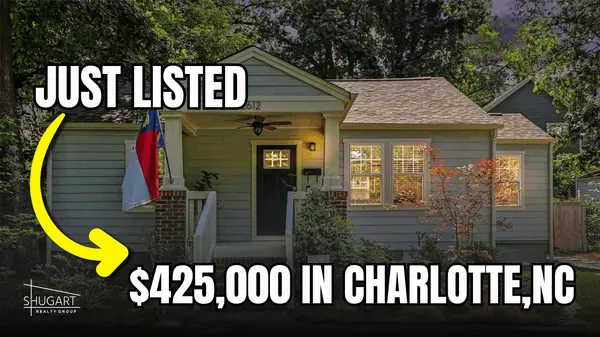
Historic Charm Meets Charlotte’s Fastest-Growing Corridor
The Charlotte Real Estate Shift No One Can Ignore This Summer

"My job is to find and attract mastery-based agents to the office, protect the culture, and make sure everyone is happy! "